Skip to content
Flagstaff Fence Premier

Service areas · Coconino County, AZ

Fence Quotes Across Flagstaff and the Communities Around It

One city, eight unincorporated communities, two sets of rules, and a lot pattern that goes from a downtown side yard to a forty-acre horse property. What actually changes about a fence from one place to the next — and what doesn't.

Serving Flagstaff and the surrounding Coconino County communities.

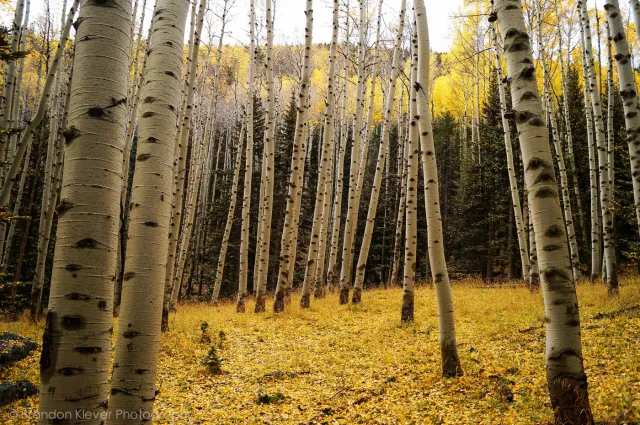
Aspen grove in the forest near Flagstaff, Arizona — the kind of tree-covered lot common in the communities south and north of town

The short answer

As of September 2026, Flagstaff Fence Premier passes fence quote requests to independent, Arizona-licensed fence companies serving Flagstaff and the unincorporated Coconino County communities of Doney Park, Timberline, Fernwood, Fort Valley, Mountainaire, Kachina Village, Bellemont, Parks, and Munds Park. Inside city limits every fence needs a City permit; everywhere else on this list, County zoning heights apply with no building permit under 7 ft — and the 30-inch frost line is the same across all of it.

Research by Flagstaff Fence Premier, checked 2026-09-09. Prices referenced below are on the cost guide with sources and scope labels.

What's the same everywhere

Three constants

30 inches of frost

The City's building design criteria and the County's, for every elevation band from 5,700 ft up, both list a 30-inch frost line. Post depth is the same question on every lot on this page.

About 108 inches of snow

Flagstaff's average; the outlying communities see their own version of it. Snow load on solid panels and roof slides onto fence lines are service-area-wide problems.

One license rule

Any fence job at or above $1,000 in labor and materials needs an active Arizona ROC license (CR-14, R-14, C-14, or a general KB-2) — in town or out. Search the company at azroc.my.site.com.

By community

What changes from one place to the next

Jurisdiction, lot pattern, and exposure. Each section says which rules apply and what kind of fence work is typical there — nothing more specific than this site can source.

City of Flagstaff

Flagstaff (city limits)

In-town lots from the historic neighborhoods near downtown to the newer subdivisions on the edges — smaller yards, closer neighbors, more privacy runs, and the only part of the service area where every fence needs a City permit.

Minor improvement permit for every fence ($80 application fee); 3 ft solid, 4 ft vinyl-coated chain link, or 5 ft decorative iron in the front setback, 6 ft at sides and rear. The typical in-town job is a 6-ft privacy run at the sides and rear with a short, low section out front. Roof slides and plowed alleys are the usual winter fence-breakers.

Unincorporated Coconino County

Doney Park, Timberline & Fernwood

The open country northeast of town along the highway toward the Peaks — larger parcels, horses, outbuildings, and long fence lines that are measured in acres rather than feet.

County rules: no building permit under 7 ft, 3 ft solid or 6 ft open in a front or street-side setback, 6 ft on side and rear lines. Perimeter and corral fencing dominate — chain link, field wire, and open pipe or iron rail — and the per-acre rows on the cost guide (a full acre in 4-ft chain link ran $8,000–$10,400 in the last Flagstaff survey) are written for these lots. Open ground means wind exposure: a solid privacy panel here wants 6-ft post spacing.

Unincorporated Coconino County

Fort Valley

Meadow and forest lots at the foot of the San Francisco Peaks, north of town — view lots first, fence lots second.

County rules apply. This is the service area where the view question decides the material: an open-picket iron or aluminum fence keeps the Peaks; a 6-ft privacy panel deletes them. The County ordinance allows a fence at least 50 percent transparent to 6 ft even in a front setback, which suits view lots. Elk pressure on plantings is real; the County ordinance itself encourages wildlife-friendly fence construction.

Unincorporated Coconino County

Mountainaire

A forested community south of town off the interstate — pine lots, rocky ground, and a mix of full-time homes and cabins.

County rules apply. Rocky, rooted ground on forest lots adds time per post hole, and the 30-inch frost line does not get shallower for it — ask how the installer handles rock (augered and set, or core-drilled) and whether rock time is priced per post. Privacy fences between close cabin lots and dog runs are the common jobs; tree cover cuts wind exposure compared with the open lots to the east.

Unincorporated Coconino County

Kachina Village

A large forested subdivision south of Flagstaff — platted lots, a community improvement district, and a fence stock that is mostly wood privacy and dog-yard runs between cabins.

County rules apply for the permit and heights, and a platted subdivision like this one commonly carries recorded CC&Rs — read the fence section before quoting a material. Shaded, snow-holding forest lots are hard on wood: posts rot at the ground line and shallow footings heave in spring, so repair and replacement questions are as common here as new runs.

Unincorporated Coconino County

Bellemont

West of town along the interstate — a small community on open, exposed ground west of the Peaks.

County rules apply. The exposure is the story here: open ground west of the Peaks takes the spring wind head-on, and a solid privacy panel is a sail. Semi-privacy and open styles, tighter post spacing, and reinforced rails on any vinyl are the specifications to ask for. Newer-subdivision lots may carry CC&Rs.

Unincorporated Coconino County

Parks

Rural forest and meadow parcels farther west toward Williams — acreage, horses, outbuildings, and long property lines.

County rules apply. Perimeter and livestock fencing on acreage is the norm — the per-acre rows on the cost guide (nationally $17,000–$45,000 for wood or $7,500–$25,000 for chain link per square acre) are the honest starting point, with field wire and pipe rail common. A property-line survey (nationally $200–$1,200) is worth it before a long run on a parcel with old or missing pins.

Unincorporated Coconino County

Munds Park

About 20 miles south of Flagstaff on I-17 — a mountain community with heavy seasonal-cabin stock, so many fence jobs are arranged by owners who are not there in winter.

County rules apply, and a platted community like this one commonly has CC&Rs. Because so many owners are seasonal, the practical fence problems are the ones nobody sees until May: a roof slide that took out a section in January, a heaved post, a gate that no longer latches. Ask for photos with any repair quote, and ask whether the company will do a spring walk-through before you drive up.

Full rules for both jurisdictions: permits, height limits, and HOA order. Material choice by climate: wood vs. vinyl · iron and ornamental · chain link. After a storm: fence repair.

  • Built for 7,000 feet

    Snow load, wind, and freeze–thaw post heave are treated as the real Flagstaff factors they are — not an afterthought line borrowed from a low-desert page.

  • Prices are published, not hidden

    Every cost range on this site names its source and how local that source is. If the only honest figure is a national one, the page says so.

  • Check the license yourself

    Arizona fence work needs an ROC license in class CR-14, R-14, or C-14 (or a general KB-2). Look any company up at azroc.my.site.com before you sign.

  • One request, one company

    Describe the fence once and it goes to one independent, Arizona-licensed fence company serving your part of Coconino County.

FAQ

Service-area questions

Which communities does this site cover?

Quote requests are passed to independent, Arizona-licensed fence companies serving Flagstaff, Doney Park, Timberline, Fernwood, Fort Valley, Mountainaire, Kachina Village, Bellemont, Parks, Munds Park — Flagstaff proper and the unincorporated Coconino County communities around it. If your lot is somewhere nearby that is not named, ask; coverage depends on which company is matched.

Do the rules differ by community?

Only by jurisdiction. Inside Flagstaff city limits every fence needs a minor improvement permit and follows the City height table; every other community on this page is unincorporated Coconino County, where no building permit is needed under 7 feet but the 2026 County Zoning Ordinance heights apply. On top of either, a platted subdivision may have CC&Rs. The permits guide has both tables.

Does it cost more to fence a lot outside town?

Usually per project, not per foot. Acreage lots in Doney Park, Fort Valley, and Parks are longer runs, and the material shifts toward chain link, field wire, and rail; a full acre in 4-ft chain link ran $8,000–$10,400 in the last Flagstaff survey. Rocky forest lots in Mountainaire and Kachina Village can add per-post time. Ask whether travel is built into the quote.

Is the frost line different in the outlying communities?

Coconino County's building design criteria list the same 30-inch frost line for every elevation band from 5,700 feet up, and the City of Flagstaff uses 30 inches too — so no, for post depth the whole service area is the same: at or below 30 inches, in concrete, on the quote.

How does matching work for a community outside Flagstaff?

The same way: describe the fence and give the community or ZIP, and the request goes to one independent, Arizona-licensed fence company that covers that area and that kind of job. This site does not build fences and is not a party to the quote — the company contacts you directly.

Get fence quotes

Get fence quotes for your community

Name the community or ZIP and describe the fence — one independent, Arizona-licensed fence company that covers your area responds with a written quote. No cost, no obligation.

Cost to you
$0
Who responds
One licensed local fence company
Service area
Flagstaff & Coconino County

Request quotes

Get fence quotes